


Table of Contents
A Guide to Servicing and Replacing Well Pumps and Tanks
If your home relies on a well for water, maintaining your well pump and pressure tank is essential to ensure a steady and reliable water supply. Over time, these components can wear down or malfunction, leading to issues such as low water pressure, air in the water lines, or complete water loss. In this guide, we’ll cover the professional process of servicing and replacing well pumps and tanks to keep your water system running smoothly.
Professional Servicing of Well Pumps and Tanks
Inspection and Diagnosis
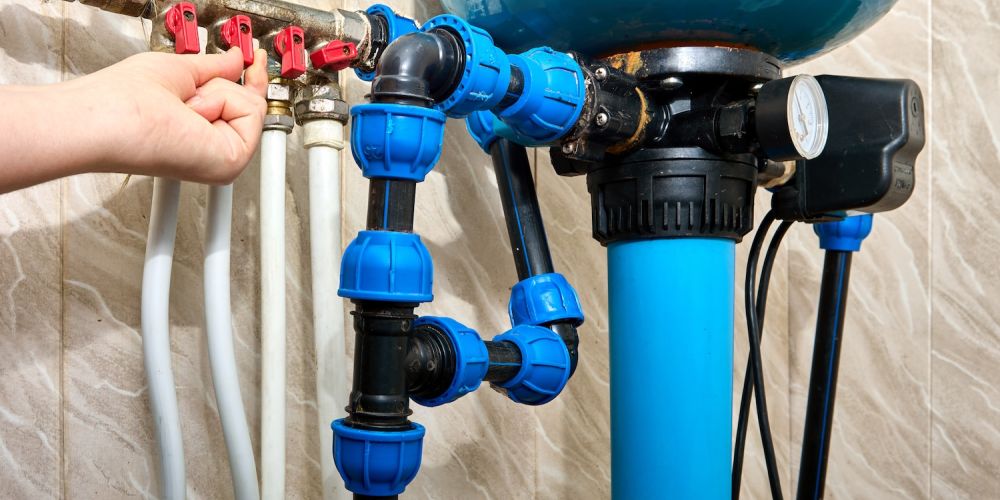
Professionals begin by conducting a thorough inspection of the well pump and pressure tank. This includes:
- Checking water pressure and flow rates to assess performance.
- Inspecting electrical connections and components for wear or damage.
- Evaluating the pressure switch and control box for proper function.
- Testing the pump motor for efficiency and overheating issues.
- Checking for sediment buildup or blockages in the system.
Once issues are identified, professionals determine whether repairs or replacements are necessary.
Replacing a Well Pump or Tank
When to Replace a Well Pump
Well pumps typically last between 8 to 15 years, depending on usage and water quality. A professional may recommend replacement if:
- The pump is over a decade old and frequently malfunctions.
- Water pressure remains low despite previous repairs.
- The pump runs continuously, indicating an inability to maintain pressure.
When to Replace a Pressure Tank
Pressure tanks generally last 10 to 15 years but may need replacement sooner due to water quality issues or structural damage. Professionals replace tanks when:
- The tank is waterlogged, causing rapid pump cycling.
- There are visible signs of rust, leaks, or corrosion.
- Water pressure remains inconsistent even after servicing the pump.
Professional Replacement Process
The process of replacing a well pump or pressure tank involves several key steps:
- Shutting Off Power and Water: Ensuring safety before beginning any work.
- Removing the Old Unit: Extracting the malfunctioning pump or tank with specialized tools.
- Installing the New System: Properly aligning and connecting new components.
- Testing and Adjustments: Checking pressure levels and making necessary calibrations to ensure efficiency.
- Final Inspection: Ensuring the system is fully operational before completion.
Final Thoughts
Professional servicing and replacement of well pumps and pressure tanks are essential for maintaining a consistent water supply. Regular inspections by trained experts can prevent costly breakdowns and extend the life of your water system. If you’re experiencing issues, contact the professionals at Mainline today for amazing service!
Written By Mainline Plumbing
When something goes wrong with your water, the cause isn’t always obvious. It could be your plumbing, well system or the water itself. Mainline has the experience to look at the whole picture, identify the problem and recommend the right solution.
Concerned About PFAS?